Ditch Digging in Salt Lake City, UT
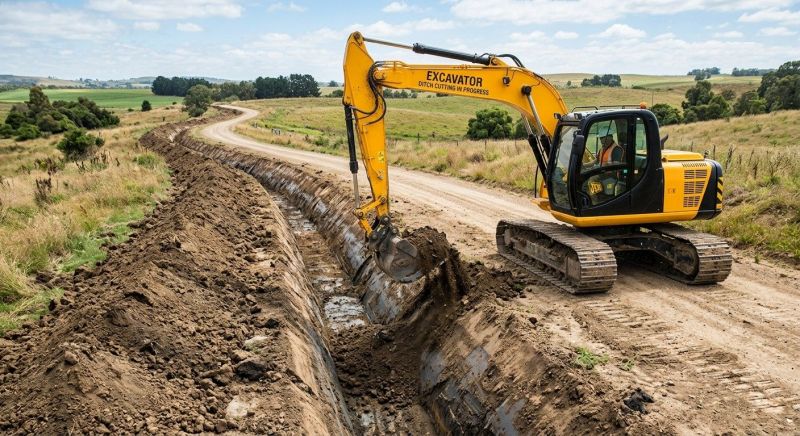
Ditch digging services involve the excavation of narrow or deep trenches in residential properties to support various projects such as installing irrigation systems, utility lines, drainage solutions, or fencing. This service typically covers tasks like preparing the ground, digging precise trenches, and ensuring proper depth and alignment to meet project specifications. Property owners often seek ditch digging to facilitate upgrades or repairs to existing infrastructure, improve drainage, or prepare for new landscaping features.
Before requesting ditch digging services, property owners should consider the scope of their project, including the length, depth, and location of the trenches needed. It’s important to understand any underground utilities or obstructions that may be present to prevent damage or delays. Clear communication about project goals and site conditions can help ensure the excavation is performed efficiently and safely, supporting the successful completion of the intended improvements.
Many property owners in Salt Lake City, UT look into Ditch Digging for repairs, replacements, upgrades, and appearance-related improvements.
Residential Ditch Digging
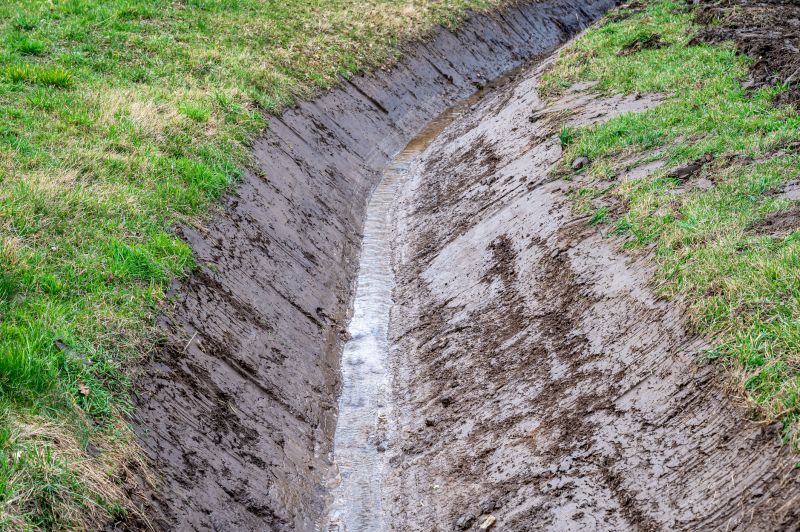
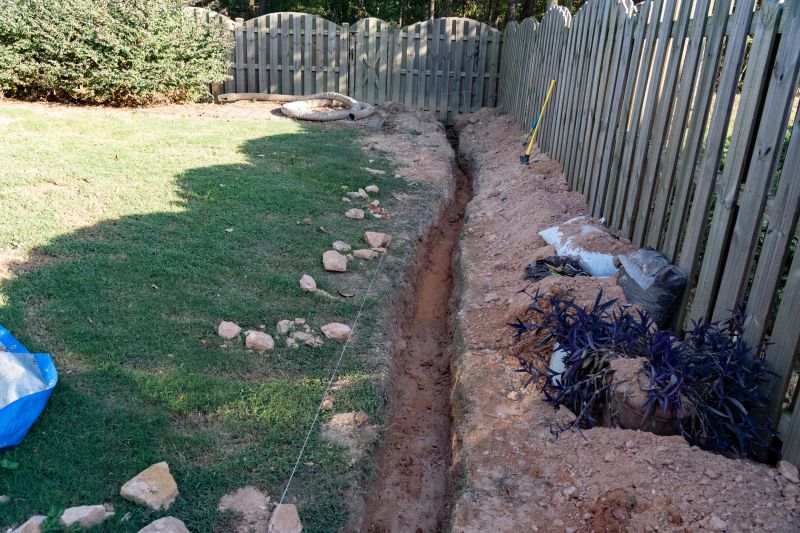
Creating trenches for utilities, sprinkler systems, or drainage around salt lake city homes.
Commercial Ditch Excavation
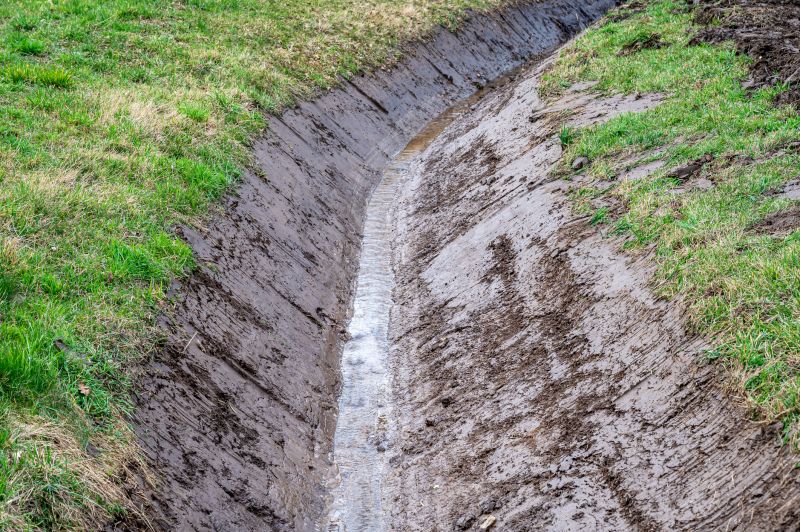
Preparing sites for construction projects or infrastructure upgrades in salt lake city and nearby areas.
Utility And Drainage Solutions
Installing or repairing underground piping, cables, and drainage systems for property owners.
Ditch Digging in Salt Lake City, UT

Ditch digging services involve the excavation of narrow or deep trenches in residential properties to support various projects such as installing irrigation systems, utility lines, drainage solutions, or fencing. This service typically covers tasks like preparing the ground, digging precise trenches, and ensuring proper depth and alignment to meet project specifications. Property owners often seek ditch digging to facilitate upgrades or repairs to existing infrastructure, improve drainage, or prepare for new landscaping features.
Before requesting ditch digging services, property owners should consider the scope of their project, including the length, depth, and location of the trenches needed. It’s important to understand any underground utilities or obstructions that may be present to prevent damage or delays. Clear communication about project goals and site conditions can help ensure the excavation is performed efficiently and safely, supporting the successful completion of the intended improvements.
Many property owners in Salt Lake City, UT look into Ditch Digging for repairs, replacements, upgrades, and appearance-related improvements.
Common Ditch Digging Jobs
Drainage Installations - trenches designed to direct water away from foundations and landscaping.
Sewer Line Replacement - replacing or repairing damaged sewer pipes to prevent backups and leaks.
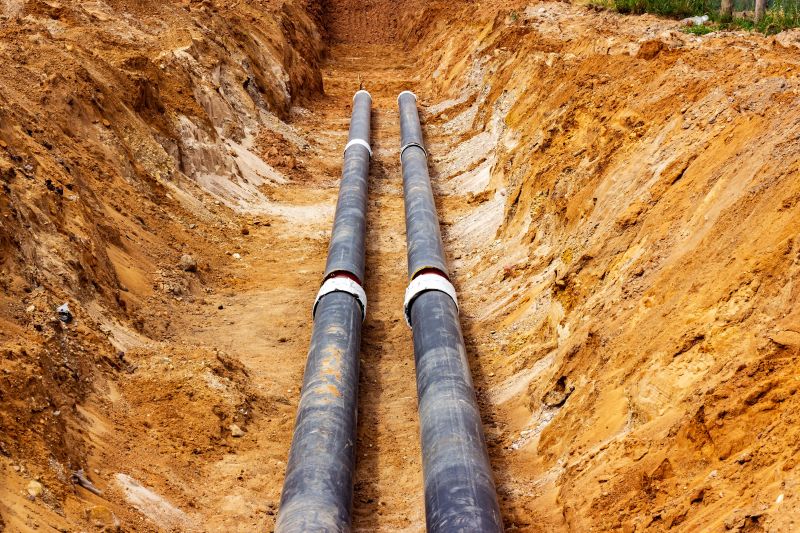
Water Line Services - installing or repairing water supply lines for homes and properties.
Foundation Drainage - creating drainage systems to protect basements and crawl spaces from water intrusion.
Landscape Drainage Solutions - installing underground drains to prevent pooling and soil erosion.
Utility Trenching - excavating trenches for electrical, gas, or communication line installations.
Ditch Digging Questions
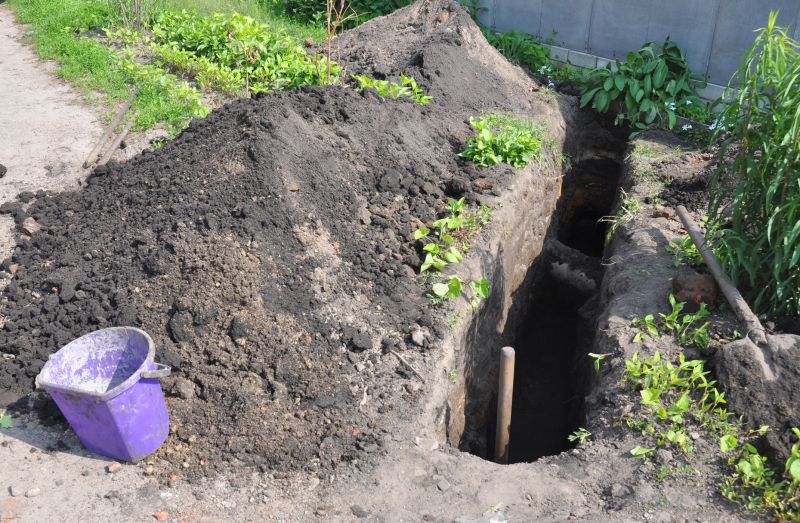
What is ditch digging used for? Ditch digging is typically done to install utility lines, drainage systems, or irrigation channels on residential properties.
How deep can a ditch be dug? The depth of a ditch varies based on its purpose, but it generally ranges from a few inches to several feet deep.
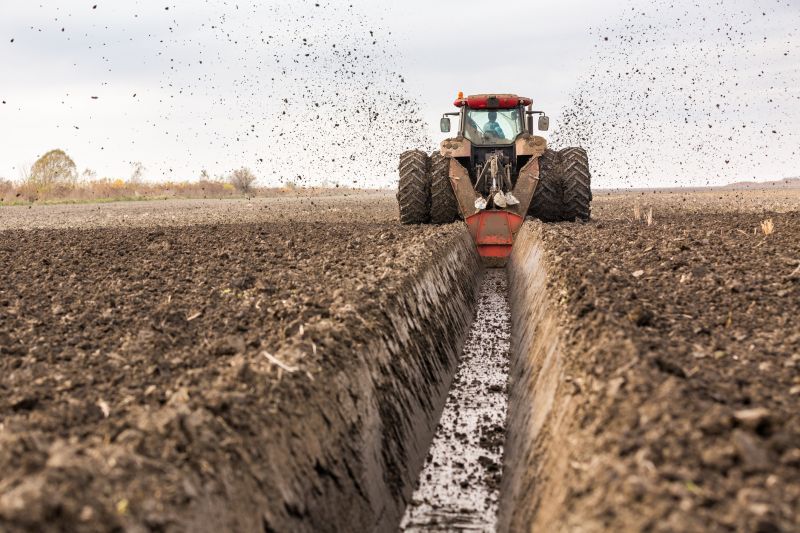
What tools are used for ditch digging? Common tools include shovels, trenchers, and backhoes, depending on the size and scope of the project.
Are permits needed for ditch digging? Permit requirements depend on local regulations and the project scope; it’s best to check with local authorities before starting.
Request Ditch Digging in Salt Lake City, UT
Use the quote form on this page to share the basics of your project and request more information for the type of work you need.