Driveway Leveling in Houston, TX
Driveway leveling is a service that addresses uneven or sloping surfaces in residential driveways, helping to create a smooth, safe, and functional space for parking and outdoor activities. This process typically involves adjusting the existing surface to correct dips, high spots, or cracks caused by soil movement, erosion, or settling over time. Projects can range from minor adjustments to more extensive repairs on driveways made of concrete, asphalt, or gravel, ensuring the surface remains level and stable for everyday use.
Homeowners considering driveway leveling often want to understand the causes of uneven surfaces and what options are available for repair. It’s important to assess the extent of the unevenness, as well as the underlying soil conditions, to determine the most suitable approach. Proper leveling can improve curb appeal, prevent further damage, and enhance safety by reducing trip hazards and water pooling. Contacting a professional can provide guidance on the best methods to restore a driveway’s levelness and ensure long-lasting results.
Many property owners in Houston, TX look into Driveway Leveling for repairs, replacements, upgrades, and appearance-related improvements.
Benefits Of Driveway Leveling
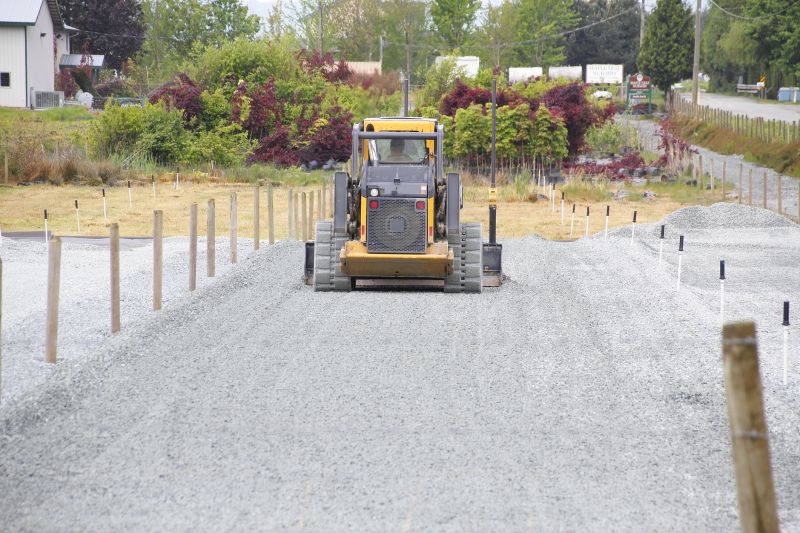
A properly leveled driveway enhances safety and prevents water pooling.
Common Causes Of Driveway Settling
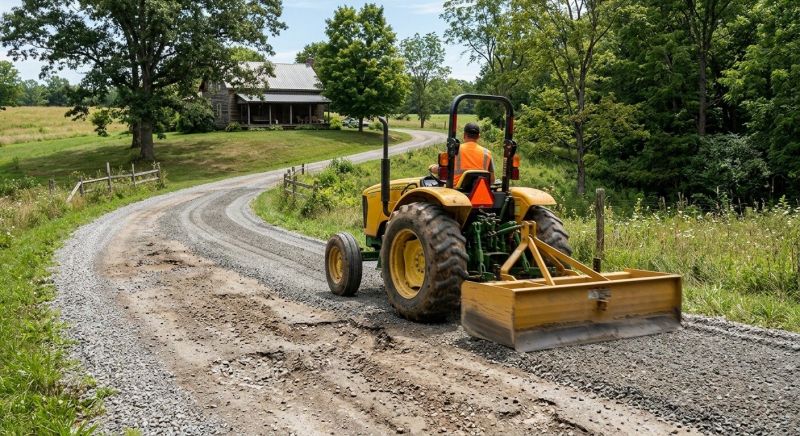
Soil erosion, poor installation, and moisture changes can lead to uneven surfaces.
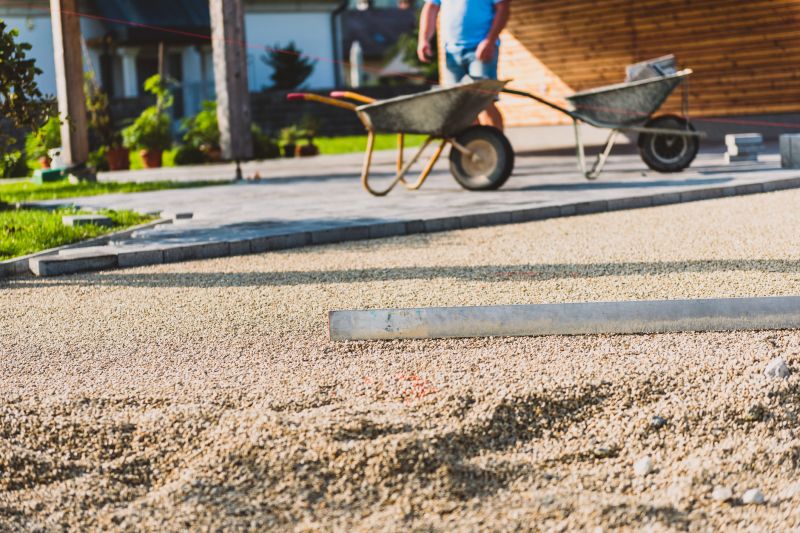
Signs Your Driveway Needs Leveling
Visible cracks, dips, or standing water indicate the need for driveway adjustment.
Driveway Leveling in Houston, TX

Driveway leveling is a service that addresses uneven or sloping surfaces in residential driveways, helping to create a smooth, safe, and functional space for parking and outdoor activities. This process typically involves adjusting the existing surface to correct dips, high spots, or cracks caused by soil movement, erosion, or settling over time. Projects can range from minor adjustments to more extensive repairs on driveways made of concrete, asphalt, or gravel, ensuring the surface remains level and stable for everyday use.
Homeowners considering driveway leveling often want to understand the causes of uneven surfaces and what options are available for repair. It’s important to assess the extent of the unevenness, as well as the underlying soil conditions, to determine the most suitable approach. Proper leveling can improve curb appeal, prevent further damage, and enhance safety by reducing trip hazards and water pooling. Contacting a professional can provide guidance on the best methods to restore a driveway’s levelness and ensure long-lasting results.
Many property owners in Houston, TX look into Driveway Leveling for repairs, replacements, upgrades, and appearance-related improvements.
Common Driveway Leveling Jobs
Driveway leveling involves correcting uneven surfaces to improve safety and appearance.
Concrete driveway leveling addresses cracks and dips for a smooth, even surface.
Asphalt driveway leveling restores proper drainage and prevents further damage.
Uneven driveway repair helps prevent tripping hazards and vehicle damage.
Surface restoration services improve curb appeal by creating a level driveway.
Driveway adjustment can extend the lifespan of existing paving materials.
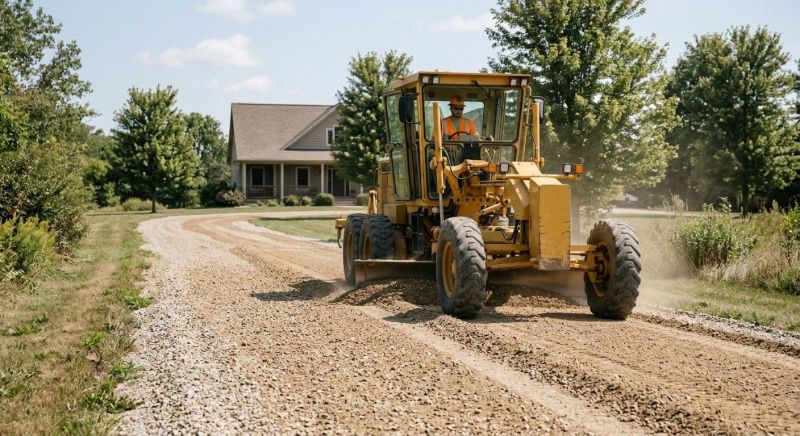

Driveway Leveling Questions
What causes driveway unevenness? Driveway unevenness often results from soil shifting, erosion, or underlying ground settling over time.
How can driveway leveling improve property appearance? Leveling creates a smoother surface, enhancing curb appeal and making the driveway safer for vehicles and pedestrians.
Is driveway leveling suitable for all driveway types? It is effective for various driveway materials, including concrete and asphalt, especially when unevenness affects usability.
What signs indicate the need for driveway leveling? Visible cracks, pooling water, or noticeable dips are common signs that a driveway may require leveling work.
Request Driveway Leveling in Houston, TX
Use the quote form on this page to share the basics of your project and request more information for the type of work you need.